

How to Get Ready for Ice Fishing South Dakota Season
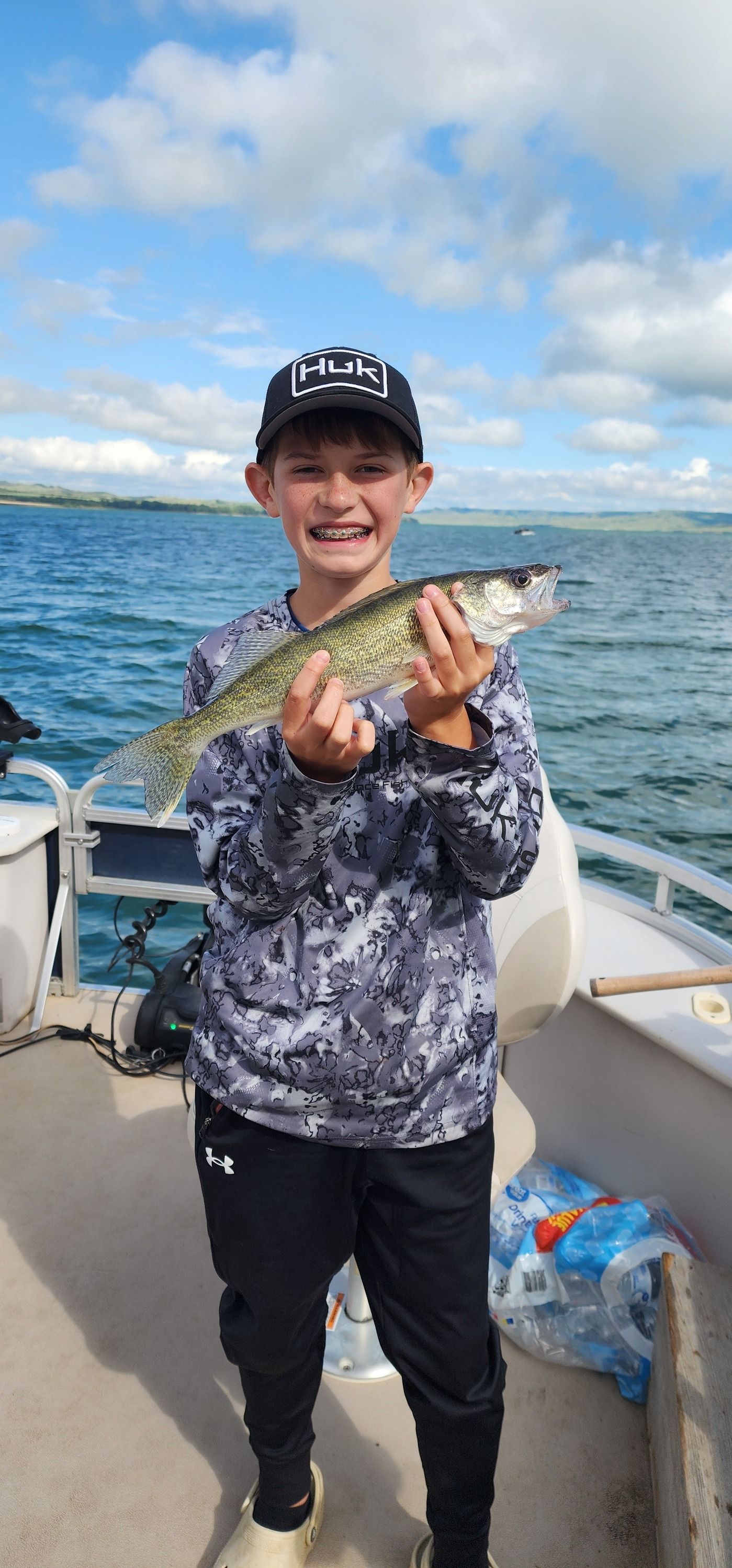
Winter Walleye Awaits
Plan your ice fishing trip on the Missouri River today!
Published:
Updated:
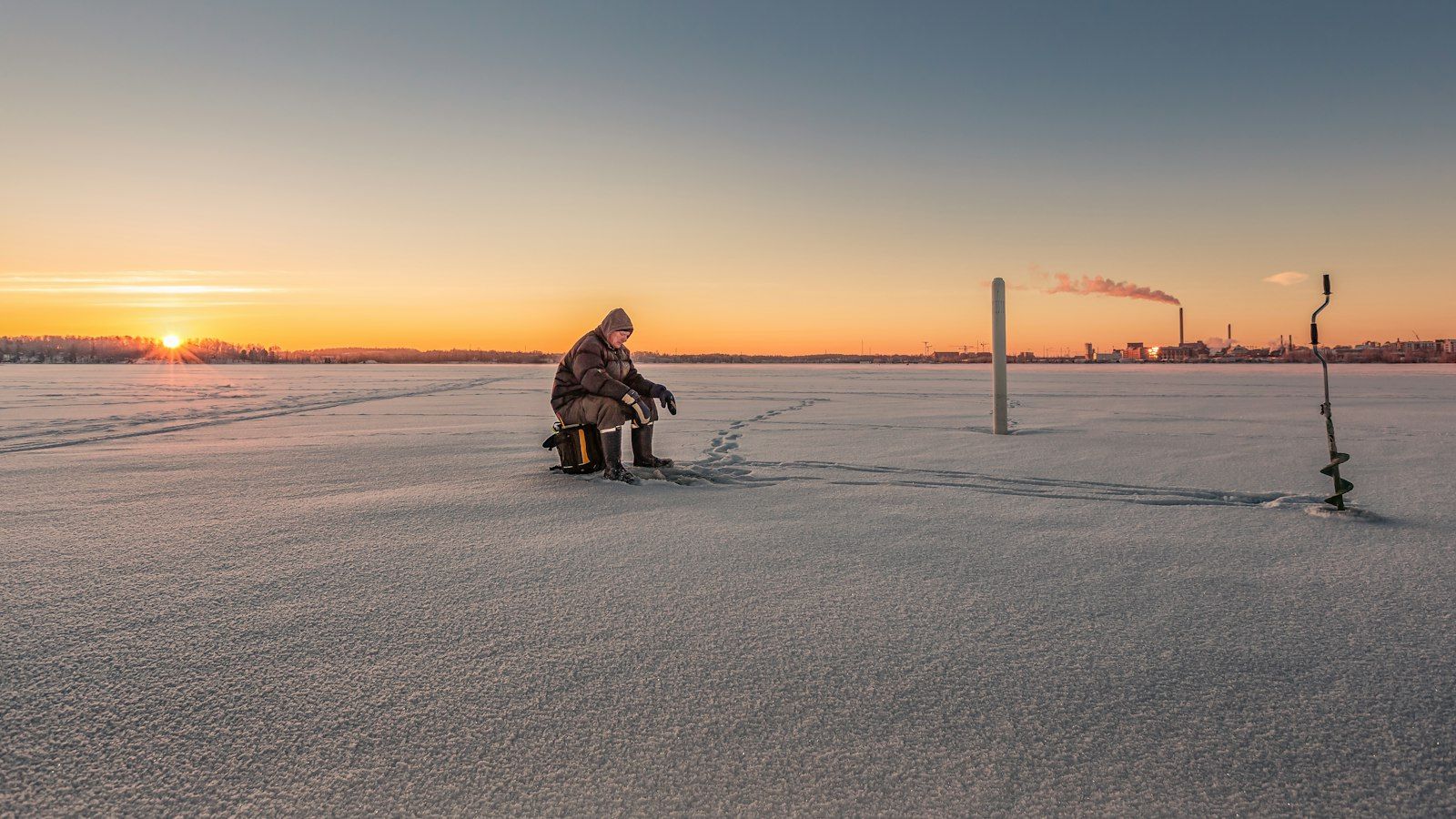
Late November is when winter fishing plans start to get real. The days are short, the first cold snaps are showing up, and anglers across the region begin asking what they should do now so they are ready when the ice season opens. If you have been thinking about ice fishing South Dakota this winter, the weeks before the season are the best time to sort out your gear, your clothes and your plan.
This guide walks through the practical steps. It does not cover current ice or river conditions, because those change day to day and you should always check them close to the date you plan to fish. What it does cover is everything you can get done ahead of time, so your first trip is about fishing and not about scrambling.
Start With the Basics of How Ice Fishing Works
Before you buy anything, get a feel for the methods. Ice fishing is not one single technique, and knowing the main ones helps you decide what gear is worth owning. Three show up again and again on guided trips run by Qualm Guide Service on the Missouri River near Platte: jigging, running tip-ups, and using dead sticks.
Jigging is the hands-on one. You work a lure up and down near the bottom and watch for a bite, so you stay busy and alert. Tip-ups are the opposite. They sit over a hole and signal you when something takes the bait, which lets you cover more holes at once. A dead stick is a rod left set and still, waiting for a fish to find the bait on its own.
Each style suits a different mood and a different kind of day. Some anglers like staying on the rod, others like watching a flag and waiting. Trying all three in a season tells you what you actually enjoy, and that is a better guide to gear spending than any shopping list.
Sort Your Gear Before You Need It
Gear is the part people leave too late. Shelves get picked over once the cold arrives, and a broken reel discovered on the morning of a trip is a bad start. Go through what you own now and decide what you really need to buy.
A basic ice fishing setup usually comes down to a short list:
- Short rods and reels suited to fishing through a hole
- A selection of jigs and the line to match
- Tip-ups if you want to try that method
- An auger or another way to drill holes
- A scoop to keep the hole clear of slush and ice
- A bucket or sled to carry everything and give you a place to sit
If that feels like a lot to buy before you know whether you will love the sport, you are not wrong. Many newer anglers hold off on the big purchases until they have fished a few times. Guided ice fishing trips with Otto Qualm out of Sioux Falls are set up so you do not need to bring your own gear, though you are welcome to bring yours if you prefer. That makes a guided day a low-cost way to try the sport before you commit to a full kit.
Dress for Standing Still in the Cold
Clothing is where most first-timers go wrong. Ice fishing is slow. You are not hiking or moving much, so your body does not make the heat you would expect, and the cold finds you faster than you think. The fix is layers you can add and remove, not one huge coat.
Build from the skin out. A warm base layer that moves moisture away, a middle layer for insulation, and a windproof, waterproof outer layer give you room to adjust through the day. Feet and hands need extra thought. Insulated boots with room for thick socks keep your toes working, and a spare pair of gloves matters because wet gloves will end a good morning quickly.
Do not forget your head and face. A warm hat, something to cover your neck, and sunglasses all earn their place, since bright light off the ice is hard on the eyes. Pack a thermos with something hot too. It sounds minor, but a warm drink in your hands changes how a long, quiet stretch feels.
Plan Your Trip, Not Just Your Equipment
Gear and clothing are only half of preparation. The other half is planning the trip itself. Pick the dates you can realistically fish, think about who is coming with you, and decide how much of the work you want to handle yourself. Families, friends and first-timers often have very different needs, and it pays to sort that out before you are standing in the cold.
Winter fishing planning also means being honest about your comfort level. Safety on the ice depends on local knowledge, and conditions can change from one stretch of water to the next. If you do not have that experience yet, it is worth getting it from someone who does rather than guessing.
Decide Whether to Go With a Guide
This is the question many anglers circle for a while. Going on your own gives you freedom and costs less per trip once you own the gear. Going with a guide gives you someone who already knows the water, the methods and how to keep the day running smoothly.
For a newer angler, a guide solves several problems at once. You get to learn jigging, tip-ups and dead sticks from someone who uses them regularly. You skip the gear purchases while you figure out what you like. And you fish with a person who can point you toward where the day is most likely to pay off.
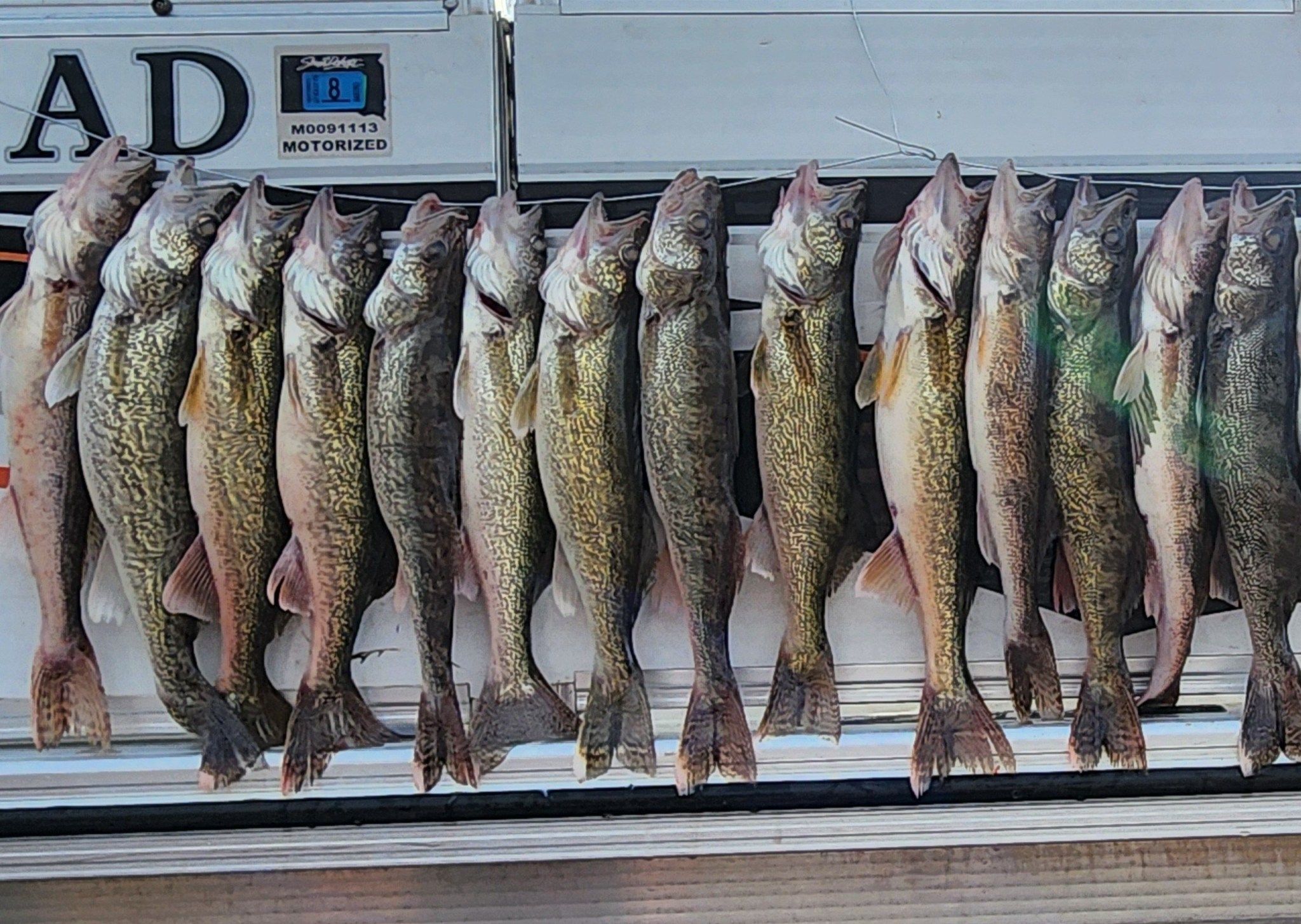
Qualm Guide Service runs ice fishing trips on the Missouri River near Platte, and the trip options include on-ice transport and scouting, with some built around everything being provided and others for anglers who want to bring their own gear. Some of the trips are aimed at walleye, and one also mentions yellow perch. If you already have a setup and want help finding fish, the bring-your-own-gear option fits. If you are starting from scratch, the everything-provided option is the simpler route.
Otto also suggests getting in touch before your trip so you know what to expect and how to prepare. That conversation is worth having early. It lets you ask about clothing, what to bring and anything else on your mind while you still have time to act on the answers.
A Simple Checklist to Work Through
If you want a quick way to turn all this into action, work through it in order:
- Learn the three main methods so you know what you want to try
- Check your gear and replace anything worn out
- Build a layered clothing system, with extra care for hands and feet
- Pick your dates and decide who is coming
- Decide on a guided trip or going it alone, and reach out early if you choose a guide
None of this is complicated, but it all goes better when it is done before the cold is here. Starting now means that when the ice season arrives, you are ready to fish instead of ready to shop.
